
Impruneta Terracotta Amphorae
Impruneta terracotta amphorae are striking decorative vessels for gardens, terraces, courtyards and grand entrances. They draw on traditional Mediterranean forms, but in contemporary garden design they work above all as standalone pieces with an authentic character.
Every piece is handmade from premium Tuscan terracotta and carries natural irregularities, subtle markings in the material and a surface that develops a noble patina over time. Selected products carry C.A.T. certification – Ceramica Artistica e Tradizionale – which confirms their origin, authenticity and traditional production methods.
Showing 1–20 of 32 results
-
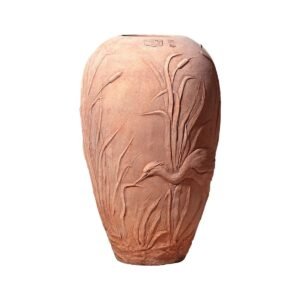
Aironi Terracotta Amphora
From €550 -
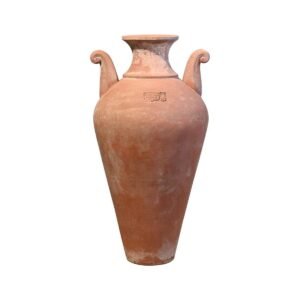
Anfora con Ricciolo Terracotta Amphora
From €570 -
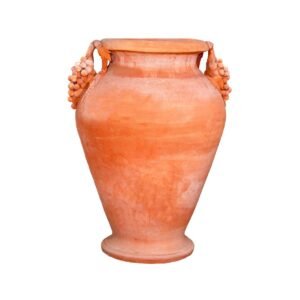
Anfora con Uva Terracotta Amphora
From €490 -
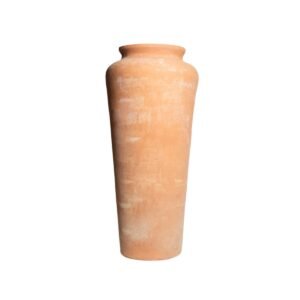
Anfora Greca Terracotta Amphora
From €370 -
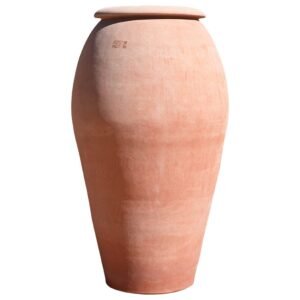
Angiolino Terracotta Amphora
From €4,430 -
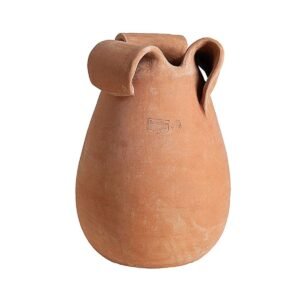
Bloom Terracotta Amphora
From €580 -
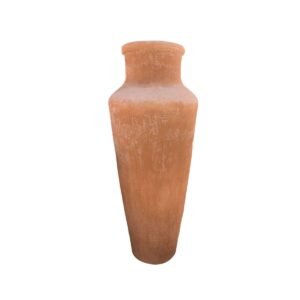
Bottiglia Terracotta Amphora
From €2,720 -
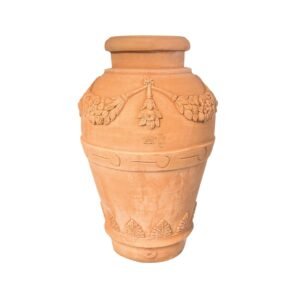
Colletto Terracotta Amphora
From €480 -
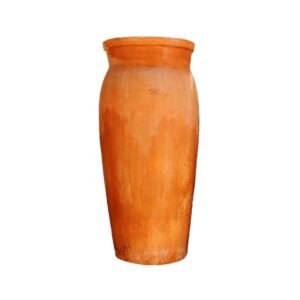
Etruscan Terracotta Amphora
From €600 -
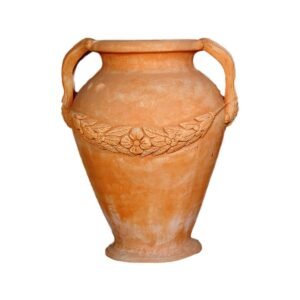
Festonata Terracotta Amphora
From €480 -
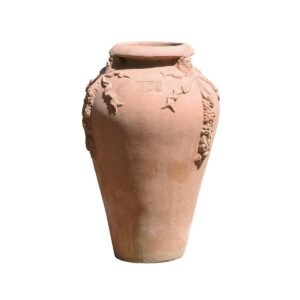
Festonato Terracotta Amphora
From €460 -
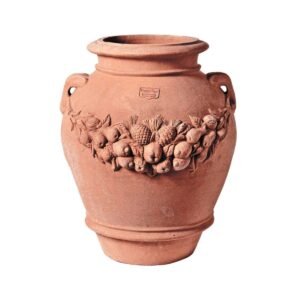
Festooned Terracotta Amphora
From €890 -
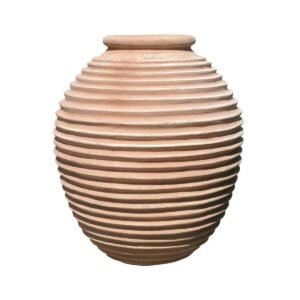
Greco Rigato Terracotta Amphora
From €2,630 -
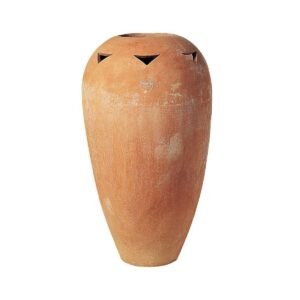
Helen Terracotta Amphora
From €1,150 -
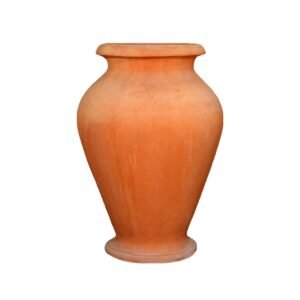
Liscia Terracotta Amphora
From €380 -
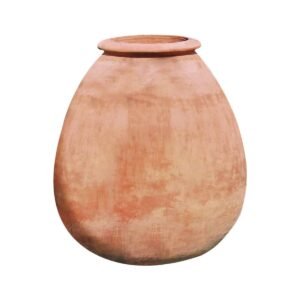
Olla Terracotta Vessel
From €6,960 -
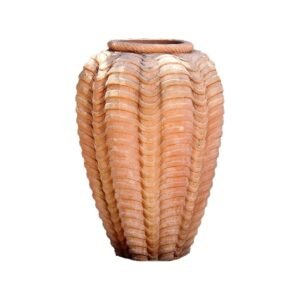
Ondulata Terracotta Amphora
From €330 -
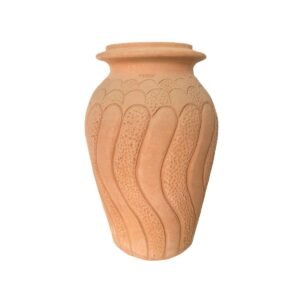
Orcio “S” Terracotta Amphora
From €200 -
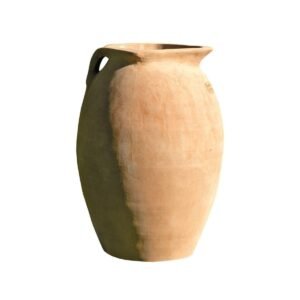
Orcio a Beccaccia Terracotta Amphora
From €590 -
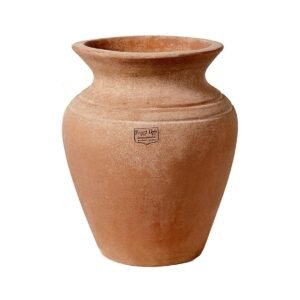
Amphorae as an architectural element of the garden
A terracotta amphora is not just decoration. It can create a natural focal point, emphasise an entrance axis and complement stone walls, steps, terraces or Mediterranean planting. Thanks to their volume, silhouette and depth of material, Impruneta amphorae look calm, timeless and naturally luxurious.
Genuine Impruneta terracotta differs from ordinary garden pottery in the origin of its clay, its handcrafted finish and its high-temperature firing. The material has a characteristic warm hue, strength and the ability to age beautifully. Its surface changes over time, acquires a patina and blends ever better with the architecture of the garden.
C.A.T. certification – Ceramica Artistica e Tradizionale – is an important mark of authentic Italian artistic and traditional ceramics. For Impruneta terracotta, it helps distinguish genuine handcrafted products of regional origin from ordinary industrial imitations.
We particularly recommend Impruneta terracotta amphorae where the vessel is meant to be a permanent part of the garden composition: at the entrance to the house, on the terrace, in an atrium, by the pool, against stone walls or as a standalone piece in open space.
Frequently asked questions about Impruneta terracotta amphorae
What is a terracotta amphora used for in the garden?
A terracotta amphora is mainly a decorative and architectural element. It can create a focal point, emphasise an entrance and complement a terrace, courtyard, steps or Mediterranean planting. In a garden composition it acts as a standalone piece with a striking silhouette and natural material character.
Are Impruneta terracotta amphorae suitable for outdoor use?
Yes, high-quality Impruneta terracotta amphorae are suitable for outdoor use. Thanks to traditional craftsmanship, the distinctive Tuscan clay and high firing, they are strong and weather-resistant. With hollow or planted vessels, it is always important to ensure that water does not collect inside for long periods.
What does C.A.T. certification mean for Impruneta terracotta?
C.A.T. stands for Ceramica Artistica e Tradizionale – artistic and traditional ceramics. For Impruneta terracotta, this certification confirms authenticity, regional origin and adherence to traditional production methods. For customers, it marks the difference between genuine handcrafted terracotta and ordinary industrial pottery.
What is the difference between a terracotta amphora and a terracotta planter?
A terracotta planter is primarily a container for plants. A terracotta amphora has a more decorative and architectural role. It can stand alone as a feature piece, complement a garden composition or give a space a Mediterranean character. Some amphorae can be planted, but their main value is aesthetic and spatial.
Where should I place a terracotta amphora?
A terracotta amphora looks best at the entrance to the house, on a terrace, in an atrium, by steps, by the pool, near a stone wall or as a standalone piece in the garden. Large amphorae suit grand spaces, while smaller pieces can complement more intimate corners of the garden.
Can an amphora be planted?
Some terracotta amphorae can also be used for planting if they have a suitable shape, stability and drainage. With decorative amphorae, however, it is important to distinguish whether they are intended mainly as a feature piece or as a plant container. If you want to plant an amphora, we recommend checking that the specific model is suitable.
Why do handmade amphorae have irregularities?
Small irregularities, differences in shade, marks of handwork, porosity or a fine surface texture are a natural part of handmade terracotta. They are not flaws but signs of authentic craftsmanship. They are what make every amphora unique.
How does a terracotta amphora age outdoors?
Outdoors, a terracotta amphora gradually develops a natural patina. Its surface changes subtly with time, weather and its surroundings, which is a desirable quality in high-quality Impruneta terracotta. The patina underlines the authenticity of the material and helps the amphora blend naturally into the garden.
How do I look after a terracotta amphora in winter?
In winter, the main thing is to prevent water from standing inside or under the amphora for long periods. If the amphora is hollow or planted, it should have working drainage. We recommend placing decorative amphorae, whether lying or standing, so that no water can collect in them that could cause damage in frost.