
A terracotta vase on a pedestal is one of the most striking architectural features of a garden, entrance or terrace. To keep it not only beautiful but also safe and stable for years, it is essential to seat and anchor it correctly.
A vase-and-pedestal set usually consists of two separate parts – the base and the upper vessel. In some cases a column is also included. Joining these elements calls for the right method, especially if the whole piece has to withstand weather, moisture and frost.
Correct installation is not only a question of stability. It also affects drainage, the lifespan of the material and the ability of the terracotta to withstand outdoor conditions for many years.
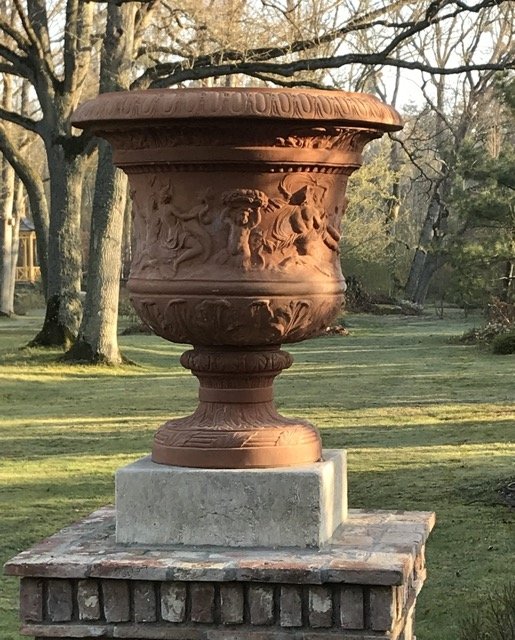
1. Anchoring the pedestal to the supporting surface
The first step is to fix the pedestal firmly onto a stable supporting surface. This can be a column, a stone base or another solid structure able to carry the weight of the whole set safely.
A construction adhesive suitable for outdoor use or a weather-resistant cement mix is recommended. The aim is to create a firm joint that prevents movement and keeps the set stable.
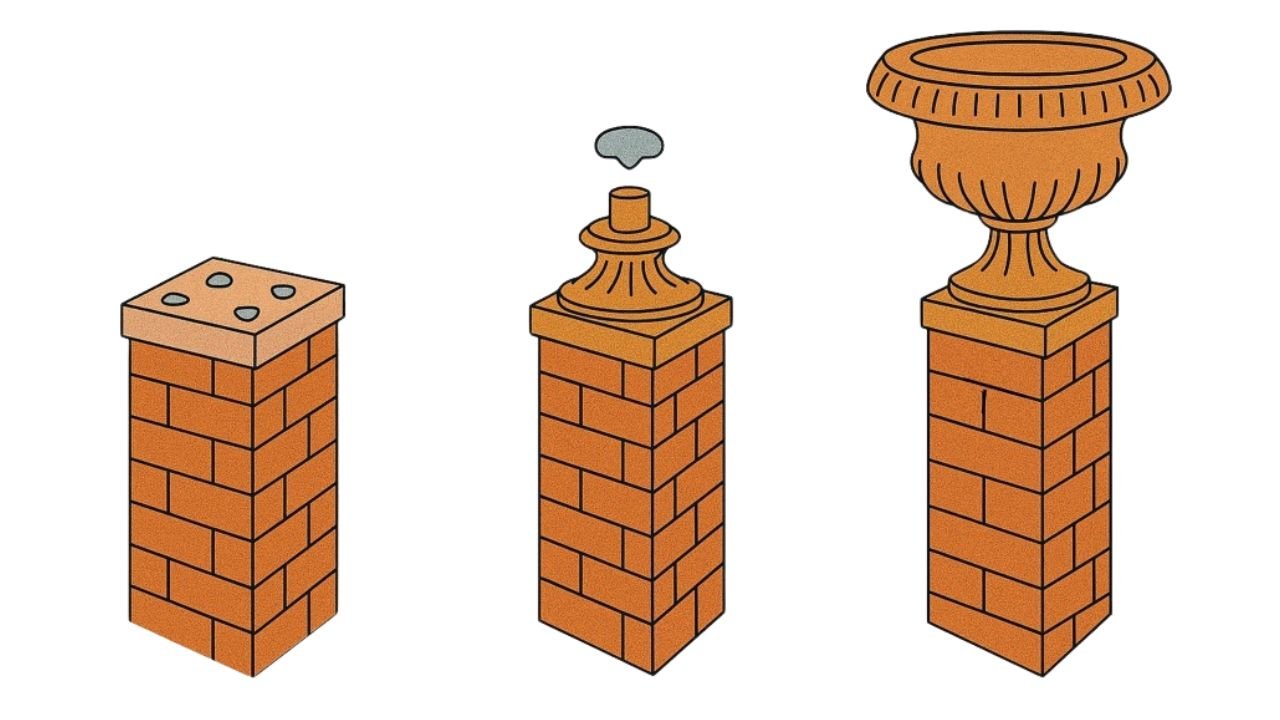
2. Seating the vase on the pedestal
Only once the joint between the pedestal and the supporting surface has fully cured does the second step follow – seating the vase itself.
Here too a suitable adhesive or cement is used, but with one important rule: do not bond the entire contact surface continuously. Small gaps must remain between the edges so that water can drain away.
Keeping the drainage open is essential for the long-term safety of the whole installation.
Why drainage is essential
One of the most common mistakes is sealing the contact surface completely with adhesive or cement. If water starts to collect between the parts or inside the vase, it expands when it freezes in winter and can cause cracking.
Good drainage helps carry moisture away and greatly reduces the risk of frost damage.
With high-quality terracotta, the way it handles water and the natural circulation of moisture are part of the very principle of the material – and the installation should respect that principle.
Stability, safety and a long lifespan
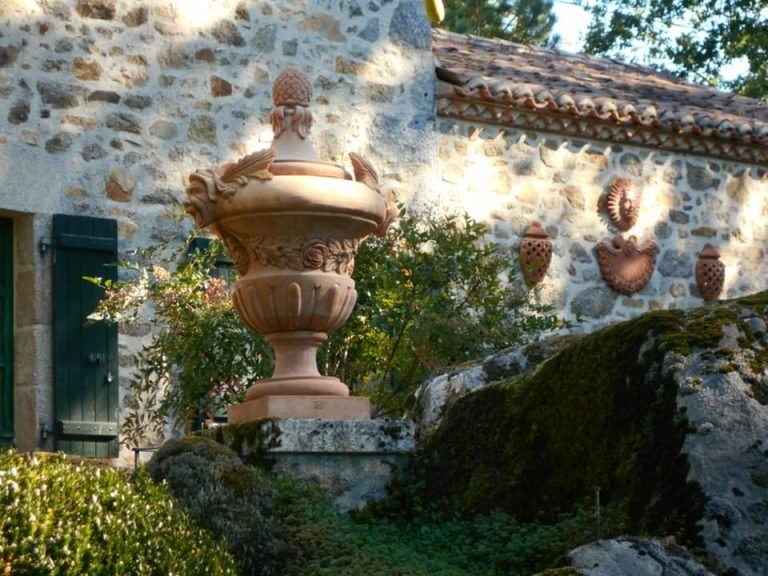
A correctly seated terracotta vase on a pedestal is not only safer. It also keeps its elegance, proportions and function for many years.
Correct installation helps protect the material, reduces mechanical stress and supports the long-term durability of the whole set.
For architectural elements of this kind, technical installation is not a detail – it is part of the quality of the result.
Quick summary
- The pedestal must be firmly anchored to the supporting surface
- The vase is seated only after the base joint has cured
- Do not bond the entire contact surface – keep the drainage open
- Prevent water from collecting and the risk of frost damage
- Correct installation extends the lifespan of the whole set
Explore our collection of terracotta vases and pedestals:
Terracotta vases on pedestalsFrequently asked questions
Does the vase have to be glued to the pedestal?
Yes, correct anchoring is important for the stability and safety of the whole set. Gluing ensures the vase stays in place even if it is knocked accidentally or the wind is strong.
Why should the joint not be completely sealed with adhesive?
Because water must be able to drain away rather than collect between the parts. If water stayed in a sealed joint, it could crack the material when it freezes in winter (so-called frost stress).
Does drainage affect frost resistance?
Yes, a crucial one. Good water run-off through drainage holes and a permeable base helps reduce the risk of damage when water freezes. Water must always be able to drain freely out of the system.
Can the vase be installed without cement?
It depends on the type of installation and the weight of the piece itself. For a permanent, secure outdoor installation, especially with larger vessels, structural anchoring or a suitable construction adhesive is always recommended to ensure long-term stability.