
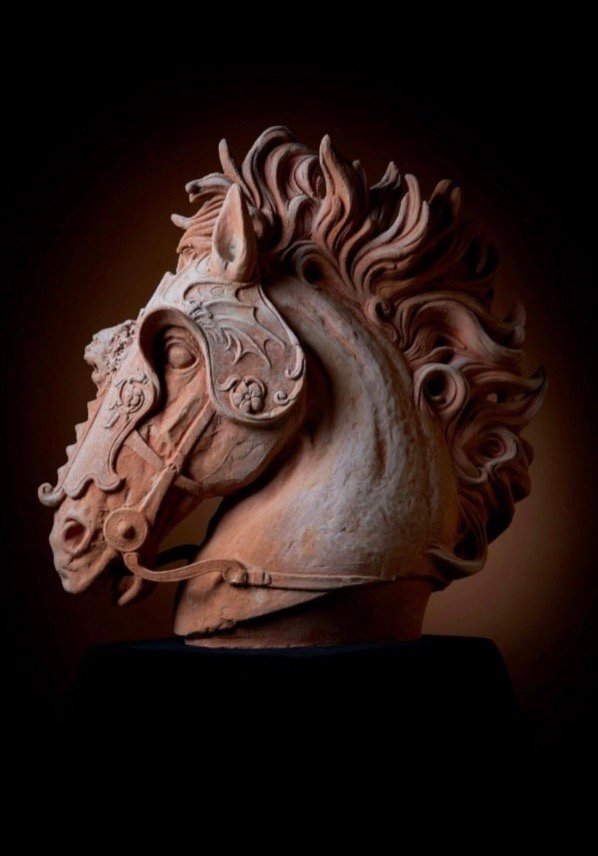
The word terracotta comes from the Italian terra cotta, which literally means “baked earth”. It combines the words terra – earth and cotta – baked. It is a traditional material made from natural clays that are usually rich in iron and have a characteristic porous structure.
Terracotta is usually made from a relatively coarse type of clay, which is first shaped and then fired at high temperatures.
Although it keeps its natural, earthy character, terracotta is much stronger than raw clay. It is the long and specific firing that turns it into such a durable material.
What makes Impruneta terracotta exceptional
One of the most important properties of natural Impruneta terracotta is its porosity. It allows air and moisture to move naturally through the walls of the pot.
What is terracotta pottery
Terracotta pottery means unglazed fired-clay vessels – vases or planters designed above all for healthy plant growth.
Why gardeners keep choosing terracotta
- it is naturally breathable
- it helps regulate moisture in the soil
- it supports a healthier root system
- it has an authentic, timeless look
Terracotta: where function meets aesthetics
Terracotta is not just a traditional material with a rich history. It is also a practical choice for anyone who wants to give their plants natural conditions while looking for containers with an authentic look. That is what makes it exceptional: it combines craft tradition, technical function and an aesthetic that does not follow passing trends.
This is why Impruneta terracotta remains a symbol of quality and one of the most sought-after materials for planters, garden containers and decorative pieces.
Discover the charm of genuine Italian terracotta: browse terracotta planters.
Frequently asked questions
What exactly does the word terracotta mean?
The word terracotta comes from Italian and literally means “baked earth”. It refers to a material made from natural clay that is fired at a high temperature after shaping.
Is terracotta good for growing plants?
Yes. Terracotta is very well suited to growing plants because it is breathable and helps regulate moisture in the soil. This supports healthier root growth and reduces the risk of waterlogging.
What is the difference between terracotta and glazed ceramics?
The main difference lies in the surface and breathability. Terracotta is usually unglazed and works naturally with air and moisture, whereas glazed ceramics have a more closed surface and are less breathable.
Is terracotta frost-resistant?
High-quality Impruneta terracotta is known for its durability and, when used correctly, withstands very low temperatures. Premium products are often rated as frost-resistant down to around -30 °C.
Why is terracotta so popular?
Terracotta is popular for its functionality, long lifespan and timeless look. Its natural character also suits gardens, terraces and interiors alike.